Solar Systems For Business: Specialist Setup Of Photovoltaic Systems Can Considerably Minimize Your Energy Costs
Site Assessment and Preparation
Unveiling the Land: Where Solar Dreams Begin
Before the sun's energy can be utilized, a careful site evaluation need to unfold. Imagine walking onto your property and wondering, "Is this spot truly the golden ticket for photovoltaic panels?" This is where science fulfills intuition. Examining the land involves more than just examining for sunlight; it has to do with comprehending how the environment will dance with your system throughout the year.
Secret Aspects in Site Examination
- Sunshine Exposure: Are shadows from trees, buildings, or chimneys lurking where you plan to set up? Even a small shadow can whisper away precious watts.
- Roof Orientation and Tilt: South-facing roofing systems typically take the show, but east or west can still play their part beautifully. The angle of your panels can transform morning chills into afternoon heat.
- Structural Stability: Is your roofing system a fortress ready to support solar panels, or does it require some fortifying? This step is vital to avoid surprises after installation.
- Space Accessibility: Often, the very best area isn't on the roofing system at all. Ground-mounted systems provide flexibility however need a various sort of groundwork.
Preparing the Canvas: Site Preparedness
Once the ideal place is recognized, preparation begins. Think of it as setting the stage for a grand performance. Green Energy Solar Panels The roof might need repairs, or trees may require a gentle trim. Cleaning particles and guaranteeing the surface area is clean are little but significant steps that lead the way for ideal panel positioning.
Actions to Prepare Your Site
- Conduct a comprehensive shading analysis utilizing specialized tools or apps.
- Examine and enhance the roofing system structure, if necessary.
- Clear challenges that might obstruct sunlight, including thick branches.
- Plan circuitry routes and inverter positioning to make the most of efficiency and safety.
- Get any required consents or approvals for structural changes.
Why Does This Matter?
Think about the story of a house owner who eagerly set up panels without comprehensive site evaluation, just to discover power generation irregular. The culprit? A single chimney casting a shadow in the late afternoon, decreasing output when energy demand peaks. This shows a vital truth: the sun is foreseeable, however our environments are not. Every subtlety matters.
In the end, the preparation phase is the silent designer of success. It turns raw potential into concrete, tidy energy. When considering solar panel installation, ask yourself: Have I genuinely read my home's solar story? Due to the fact that because story lies the trick to sustainable power.
Exploring the Ranges of Solar Panels
Ever stood on a roofing and wondered why some photovoltaic panels gleam like black mirrors while others sparkle with a bluish tint? The secret depend on their product composition, which drastically influences efficiency and setup methods. 3 main types control the marketplace:
- Monocrystalline panels: Crafted from a single crystal structure, these are the champs of effectiveness, often boasting rates above 20%. Their consistent black look is streamlined however needs exact setup to make the most of performance.
- Polycrystalline panels: Made from several silicon fragments melted together, they provide a speckled blue appearance. Slightly less efficient than monocrystalline but generally more flexible in setup subtleties.
- Thin-film panels: These are versatile, light-weight, and less interfering, thanks to their amorphous silicon or other products. Their lower efficiency implies more surface area is required-- a significant factor to consider when preparing rooftop layouts.
Material Matters: Beyond Silicon
Silicon rules supreme, however did you know that the substrate and encapsulants can make or break the panel's durability? Glass with high transmittance, resilient polymers, and advanced anti-reflective finishes are subtle heroes. For instance, an improperly selected encapsulant can cause early yellowing, sapping energy output with time. It's a peaceful battle of materials that many installers ignore until efficiency dips.
Setup Insights: What the Pros Know
When mounting panels, the weight distinction between types matters. Thin-film panels weigh less, relieving tension on older roofings. Nevertheless, their larger size demands more meticulous circuitry and assistance design. Monocrystalline panels, though heavier, can be spaced tighter, optimizing roofing property. Here's a fast rundown of specialist pointers:
- Verify panel weight and roofing load capability before selection.
- Consider thermal growth rates of panel products; inequalities can trigger micro-cracks.
- Select mounting hardware compatible with the panel's frame product to avoid corrosion.
- Use reflective backing materials to amplify light capture in shaded spots.
Enjoyable Fact: The Anecdote of the "Blue vs. Black" Dispute
One installer when told me about a customer who demanded blue panels simply for aesthetics. Months later on, the client observed a small dip in energy production compared to their next-door neighbor's black monocrystalline setup. This story echoes an universal reality: sometimes, what looks great doesn't constantly carry out finest. Yet, with the ideal angle and setup, even polycrystalline can shine.
Setup Process and Methods
Picture hoisting a panel onto your roofing for the very first time. The dance between precision and perseverance begins here. The photovoltaic panel installation procedure isn't almost bolts and brackets; it's a mindful orchestration of angles, weights, and weather considerations. Have you ever considered how a minor misalignment can slash off valuable energy production? That fraction of a degree can be the distinction in between a successful system and one that underperforms.
Step-by-Step Setup Insights
- Website Assessment: Before any devices touches your roofing, the evaluation phase involves evaluating roofing system orientation, shading components, and structural stability. This step goes beyond the surface-- actually. Understanding the roofing system's load capacity is important to prevent surprises later.
- Installing Setup: The option between flush installs and adjustable racks depends on your roof type and sun exposure. Adjustable racks use an ace in the hole-- tweak angles seasonally to capture optimum sunlight.
- Panel Placement: Panels must be spaced and secured to avoid thermal expansion problems and water pooling. Neglecting this can result in warped panels or leakages, a subtle however costly oversight.
- Electrical Links: Circuitry is where numerous installations fail. Using appropriate gauge wires, protected adapters, and water resistant junction boxes makes sure durability and security. Ever seen a panel system underperform since of loose or rusty connections? It's more typical than you might think.
- System Screening: Performing a thorough performance check post-installation can catch concerns before they intensify. Voltage tests, inverter functionality, and monitoring software calibration are non-negotiable actions.
Pro Tips for Optimal Installation
- Think about microinverters or power optimizers to reduce shading effects and take full advantage of output from each panel.
- Include a grounding system meticulously to prevent electrical noise and secure versus lightning strikes.
- Usage corrosion-resistant installing hardware, specifically in seaside or humid environments, to extend system life expectancy.
- Apply weatherproof sealants at every roof penetration to prevent future leakages-- a small lapse can result in decades of water damage.

The Often-Overlooked Components
Lots of installers neglect the subtle impact of roof pitch and seasonal sun angle variations. A flat roofing system installation may benefit from tilted racks angled differently for winter and summer. This versatility can increase yearly energy yield by as much as 15%. Also, the synergy between panel spacing and air flow is important. Panels that are too close together can trap heat, minimizing effectiveness-- a nuance that only experienced installers appreciate.
| Installation Aspect | Specialist Insight | Common Oversight |
|---|---|---|
| Mounting Type | Adjustable racks enable seasonal angle changes. | Utilizing fixed mounts on flat roofings. |
| Electrical Circuitry | Proper gauge and waterproof connectors ensure longevity. | Overlooking waterproofing results in corrosion. |
| Panel Spacing | Enough gap permits heat dissipation. | Panels too close cause overheating. |
Precaution and Finest Practices for Photovoltaic Panel Installation
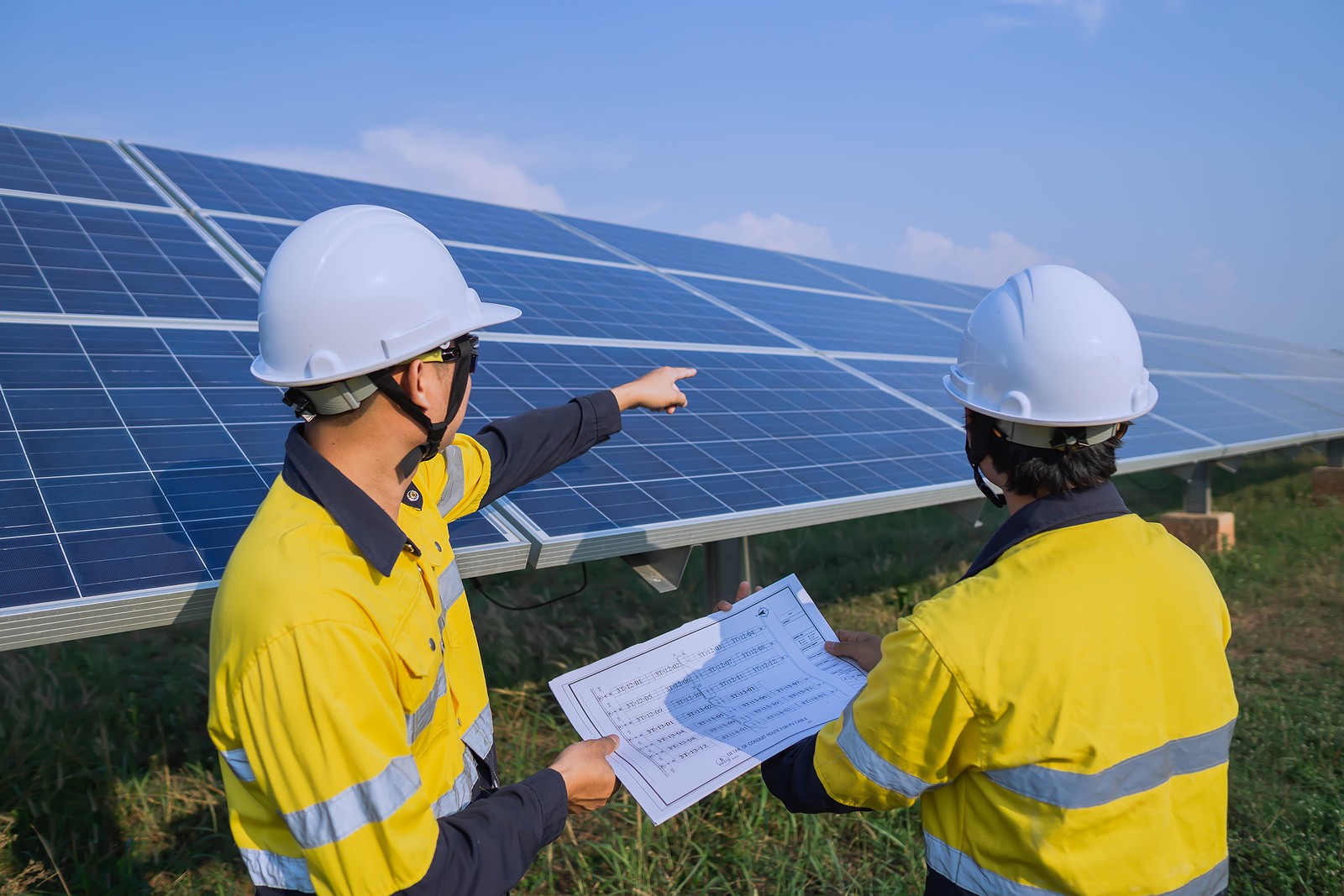
Ever attempted balancing on a roof while handling sharp-edged solar panels? It's not exactly a Sunday walk. The most overlooked aspect throughout solar panel setup is the careful attention to security protocols that keep installers alive and well. The dance in between weather, electrical power, and heights demands a near-militant discipline.
Necessary Security Equipment: Your First Line of Defense
- Non-slip footwear: Slipping on a slick roof can turn a regular task into a catastrophe.
- Harnesses and lanyards: Appropriate fall arrest systems are non-negotiable.
- Insulated gloves: Secure against electric shocks, particularly when handling live wires.
- Protective eyewear: Guard eyes from UV rays, dust, and flying debris.
- Hard hats: Roofing work implies unexpected bumps-- do not ignore falling objects.
One seasoned installer once shared how an easy gust of wind almost sent out a panel-- and himself-- plummeting. That close call strengthened why double-checking harness connections isn't simply treatment; it's survival.
Pre-Installation Preparation: A Plan for Safety
Before stepping on the roofing system, an extensive website examination is essential. Are the shingles breakable? Is the roofing pitch dangerously high? These elements determine the type of safety equipment required and the installation method. Disregarding them invites disaster.
Consider the electrical design too. Solar arrays link to inverters, breakers, and house circuitry-- all possible shock risks if mishandled. Labeling circuits plainly and de-energizing systems when possible lowers risk greatly.
Finest Practices to Avoid Typical Threats
- Weather condition check: Avoid setup during rain, snow, or high winds. Moisture combined with electrical power is a recipe for disaster.
- Tool management: Protect tools with lanyards or tool belts. Dropped tools can injure individuals below or damage panels.
- Two-person guideline: Never ever work alone on roofs. An extra set of eyes and hands can be a lifesaver.
- Clear communication: Develop hand signals or walkie-talkie systems when spoken cues get lost in wind or range.
- Panel handling strategy: Always lift panels with knees, not back, to avoid pressure and preserve control.
Electrical Safety: Beyond the Fundamentals
Numerous underestimate the intricacy of DC voltage generated by panels. Unlike air conditioner, DC arcs are tougher to extinguish, making arc fault defense gadgets essential. Likewise, understanding the wiring schematic completely before touching anything can avoid electrocution.
| Security Aspect | Pro Pointer | Why It Matters |
|---|---|---|
| Harness Inspection | Check for wear before each usage | Worn harnesses can fail throughout a fall |
| Panel Orientation | Plan layout to decrease awkward lifts | Prevents muscle injuries and panel damage |
| Electrical Isolation | Usage lockout/tagout procedures | Guarantees power is off during circuitry |
Does the idea of working with high-voltage DC make you pause? It should. Respecting the unnoticeable forces in play and preparing for them with the right security mindset transforms a risky task into a workable one.
Comments on “Licensed Solar Installers: Frequent Mistakes to Prevent While Solar Panel Installation”